
 English
Το καλάθι σας είναι άδειο! Ρίξτε μια ματιά στο φανταστικό μας εμπόρευμα!

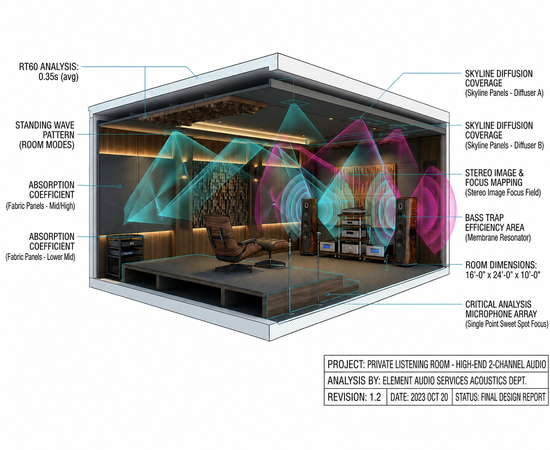
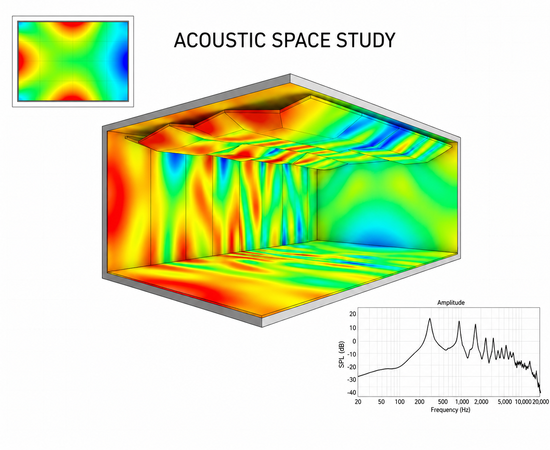
Ακουστική Χώρου: Το πιο Σημαντικό (και Αόρατο) «Μηχάνημα» του Συστήματός σας
Η Σκληρή Αλήθεια του High-End Ήχου
Ας ξεκινήσουμε με έναν εντελώς αδιαπραγμάτευτο κανόνα της ακουστικής φυσικής: Ένα προσεκτικά στημένο ηχοσύστημα των 10.000€, τοποθετημένο σε έναν σωστά ακουστικά φροντισμένο χώρο, θα παίξει δραματικά, συγκλονιστικά καλύτερα από ένα σύστημα των 100.000€ πεταμένο μέσα σε ένα γυμνό, ακατέργαστο δωμάτιο.
Γιατί; Επειδή από τη στιγμή που τα ηχητικά κύματα εγκαταλείπουν τις μονάδες των ηχείων σας, το ίδιο το δωμάτιο μετατρέπεται στο μεγαλύτερο, πιο παρεμβατικό και πιο ανεξέλεγκτο "φίλτρο" της αλυσίδας σας, αλλοιώνοντας τα πάντα πριν φτάσουν στα αυτιά σας.
Άμεσος Ήχος vs. Ανακλώμενος Ήχος
Όταν κάθεστε στην ιδανική θέση ακρόασης (το περίφημο "Sweet Spot"), ο ήχος που προσλαμβάνει ο εγκέφαλός σας χωρίζεται σε δύο κατηγορίες. Ο άμεσος ήχος είναι η αγνή πληροφορία που ταξιδεύει σε ευθεία γραμμή από τα ηχεία απευθείας σε εσάς.
Όμως, το μεγαλύτερο ποσοστό της ακουστικής ενέργειας που φτάνει στα αυτιά σας είναι ο ανακλώμενος ήχος: κύματα που "χτυπούν" με τεράστια ταχύτητα στους τοίχους, το πάτωμα και το ταβάνι, και φτάνουν σε εσάς με καθυστέρηση χιλιοστών του δευτερολέπτου. Αυτή η μίξη προκαλεί σοβαρές ακυρώσεις φάσης (phase cancellations), δημιουργώντας ακουστικό χάος και θολώνοντας το αρχικό μήνυμα της μουσικής.
Οι Εχθροί του Ήχου - Μέρος 1: Τα Μπάσα
1. Στάσιμα Κύματα (Room Modes): Οι χαμηλές συχνότητες (μπάσα) έχουν τεράστια μήκη κύματος (συχνά ξεπερνούν τα μέτρα). Σε ένα τυπικό τετράγωνο ή παραλληλόγραμμο σαλόνι, αυτά τα κύματα εγκλωβίζονται ανάμεσα στους παράλληλους τοίχους. Το αποτέλεσμα; Σε κάποια σημεία του δωματίου δημιουργούνται "κορυφώσεις" (το μπάσο "βουίζει" ανεξέλεγκτα καλύπτοντας τις φωνές) και σε άλλα σημεία δημιουργούνται "ακυρώσεις" (το μπάσο εξαφανίζεται εντελώς, αφήνοντας τον ήχο άδειο).
Οι Εχθροί του Ήχου - Μέρος 2: Η Σκηνή & Τα Πρίμα
2. Πρώτες Ανακλάσεις (Early Reflections): Ο ήχος που χτυπάει στους γυμνούς πλαϊνούς τοίχους και το πάτωμα καταστρέφει το "Stereo Imaging" (το φαινόμενο comb filtering). Αντί να ακούτε τον τραγουδιστή καρφωμένο ακριβώς στο κέντρο και τα όργανα τοποθετημένα τρισδιάστατα στον χώρο (depth & width), η σκηνή γίνεται επίπεδη, μπερδεμένη και εξαιρετικά κουραστική.
3. Ηχώ & Αντηχήσεις (Flutter Echo): Είναι ο ενοχλητικός, "μεταλλικός" ήχος που ακούτε αν χτυπήσετε παλαμάκια σε ένα άδειο δωμάτιο. Αυτό το φαινόμενο (υψηλός χρόνος αντήχησης - RT60) σκληραίνει υπερβολικά τις υψηλές συχνότητες, κάνοντας τα πιατίνια και τα βιολιά να ακούγονται "τσιριχτά".
Η Λύση: Επιστημονική Απορρόφηση & Διάχυση
Η λύση δεν είναι να γεμίσετε τον χώρο με χοντρά χαλιά, κουρτίνες και σφουγγάρια. Αυτά "πνίγουν" μόνο τα πρίμα, αφήνοντας το μπάσο ανεξέλεγκτο, με αποτέλεσμα έναν ήχο εντελώς "νεκρό" και μουντό. Η σωστή ακουστική απαιτεί ισορροπία:
Απορρόφηση (Absorption): Ειδικά, υπολογισμένα πάνελ (όπως τα Bass Traps στις γωνίες) απορροφούν την πλεονάζουσα ενέργεια των χαμηλών συχνοτήτων. Έτσι, το μπάσο γίνεται ξαφνικά σφιχτό, γρήγορο, στακάτο και αποκαλύπτει τις νότες του μπάσου αντί για ένα μονότονο βουητό.
Διάχυση (Diffusion): Ξύλινα ή ακρυλικά πάνελ με πολύπλοκες, μαθηματικές γεωμετρίες (π.χ. Schroeder diffusers). Αντί να "σκοτώνουν" την ακουστική ενέργεια, τη διασκορπίζουν ομοιόμορφα μέσα στον χώρο. Αυτό διατηρεί τον "αέρα" και τη ζωντάνια της μουσικής, δημιουργώντας μια τεράστια, ολογραφική ηχητική σκηνή που ξεπερνά τα όρια των τοίχων σας.
Η Προσέγγιση της Element Audio
Το High-End σύστημά σας δεν τελειώνει στην αγορά των μηχανημάτων. Μέσω της εξειδικευμένης υπηρεσίας μας Acoustic Space Study, αναλύουμε τις ιδιαιτερότητες του δικού σας χώρου και προτείνουμε στοχευμένες, αισθητικά άψογες λύσεις ακουστικής βελτίωσης. Επενδύοντας στον χώρο σας, "ξεκλειδώνετε" επιτέλους το 100% των δυνατοτήτων των μηχανημάτων που έχετε ήδη χρυσοπληρώσει!