
 English
Το καλάθι σας είναι άδειο! Ρίξτε μια ματιά στο φανταστικό μας εμπόρευμα!

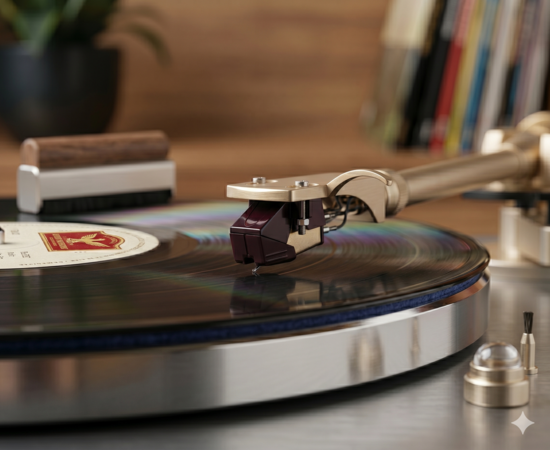
Η Βελόνα του Πικάπ: Πότε την αλλάζουμε και πώς προστατεύουμε τους δίσκους μας
Ο αναλογικός ήχος έχει μια απαράμιλλη μαγεία που κανένα ψηφιακό format δεν μπορεί να αναπαράγει με το ίδιο συναίσθημα. Όμως, αυτή η ζεστή, τρισδιάστατη εμπειρία βασίζεται σε ένα εξαιρετικά
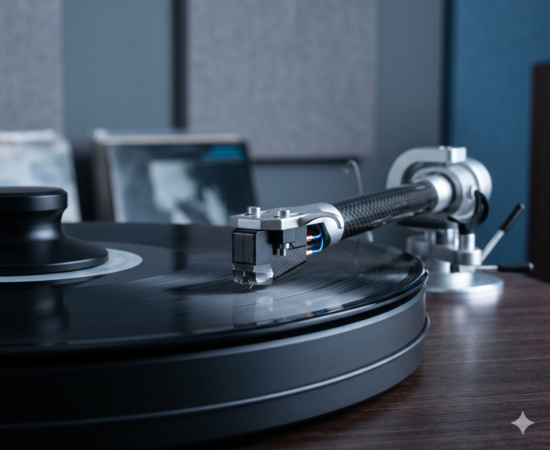
ευαίσθητο, μηχανικό "πάντρεμα": την επαφή που έχει η βελόνα πικάπ με τα αυλάκια του δίσκου.
Σκεφτείτε το εξής: ακόμα και αν διαθέτετε ένα ενισχυτικό σύστημα χιλιάδων ευρώ ή ηχεία αναφοράς, η ποιότητα του ήχου ξεκινά και καθορίζεται από αυτό το μικροσκοπικό κομμάτι διαμαντιού. Είναι το μοναδικό σημείο επαφής του συστήματός σας με τη μουσική. Το μεγαλύτερο λάθος που κάνουν πολλοί λάτρεις του βινυλίου; Αμελούν την αντικατάσταση της βελόνας, με αποτέλεσμα να χάνουν δραματικά σε ποιότητα ήχου και, το χειρότερο, να προκαλούν ανεπανόρθωτη ζημιά στην πολύτιμη συλλογή τους.
Ας δούμε αναλυτικά τα expert tips για να καταλάβετε πότε ακριβώς ήρθε η ώρα για αλλαγή και πώς θα προστατεύσετε τα βινύλιά σας.
1. Ο "Χρυσός" Κανόνας των Ωρών (Ανάλογα με το προφίλ)
Εδώ πρέπει να ξεκαθαρίσουμε μια τεράστια παρεξήγηση. Πολλοί πιστεύουν –λανθασμένα– ότι μια βελόνα αντέχει για 2.000 ή και 3.000 ώρες. Η αλήθεια; Ναι, το πικάπ σας θα συνεχίσει να παράγει ήχο για 2.000 ώρες. Όμως, οι αριθμοί που δίνουν οι κορυφαίοι κατασκευαστές και αναφέρουμε παρακάτω, αφορούν τη διατήρηση της ηχητικής απόδοσης στο 100% και την απόλυτη ασφάλεια των δίσκων σας (πριν ξεκινήσει η αόρατη μικρο-φθορά).
Ο χρόνος ζωής στο απόγειο της απόδοσης εξαρτάται άμεσα από το σχήμα (κοπή) του διαμαντιού:
Σφαιρικές / Κωνικές (Conical/Spherical): Είναι οι πιο απλές κοπές. Λόγω της μικρότερης επιφάνειας επαφής με το αυλάκι, φθείρονται πιο γρήγορα, προσφέροντας το 100% της απόδοσής τους για περίπου 300 με 500 ώρες.
Ελλειπτικές (Elliptical): Η πιο συνηθισμένη επιλογή στο Hi-Fi. Προσφέρουν καλύτερη ανάλυση και διατηρούν την κορυφαία τους απόδοση για 500 με 800 ώρες.
Προηγμένες Κοπές (Microline, Shibata, Fine Line): Συναντώνται σε High-End κεφαλές. Έχουν μεγαλύτερη επιφάνεια επαφής, "αγκαλιάζουν" καλύτερα το αυλάκι, μειώνουν την τοπική πίεση και μπορούν να αγγίξουν ή να ξεπεράσουν τις 1.000 ώρες στο μέγιστο των δυνατοτήτων τους (πάντα υπό προϋποθέσεις ιδανικής ρύθμισης).
Πρακτικά: Αν ακούτε μουσική 1-2 ώρες την ημέρα, μια καλή ελλειπτική βελόνα θα αρχίσει να χάνει την ιδανική της απόδοση –και να θέλει αντικατάσταση– σε περίπου 1,5 χρόνο.
2. Τα Ηχητικά Προειδοποιητικά Σημάδια
Αν δεν κρατάτε... ημερολόγιο ωρών ακρόασης, τα αυτιά σας είναι ο καλύτερος και πιο αυστηρός κριτής. Τα σημάδια της φθοράς είναι συγκεκριμένα:
Inner Groove Distortion (Παραμόρφωση στα εσωτερικά αυλάκια): Είναι το πιο κλασικό σύμπτωμα. Καθώς η βελόνα πλησιάζει προς το κέντρο του δίσκου (στα τελευταία τραγούδια της πλευράς), ο ήχος αρχίζει να "σπάει", τα όργανα μπερδεύονται και η στερεοφωνική εικόνα καταρρέει.
Συριστικά Σύμφωνα (Sibilance): Τα φωνητικά, και ειδικά γράμματα όπως το "Σ", το "Τ" και το "ΤΣ", ακούγονται υπερβολικά έντονα, τραχιά ή σαν ενοχλητικό σφύριγμα.
Απώλεια Δυναμικών & Πρίμων: Η μουσική χάνει τον "αέρα" της. Τα πιατίνια ακούγονται θαμπά, το μπάσο χάνει τον έλεγχό του και το σύστημα ακούγεται σαν να έχει τοποθετηθεί μια κουβέρτα μπροστά από τα ηχεία.
Αναπηδήσεις (Skipping): Αν η βελόνα αρχίσει να πηδάει σε καθαρούς δίσκους που γνωρίζετε ότι δεν έχουν γρατζουνιές, το διαμάντι έχει χάσει το σχήμα του και δεν μπορεί να ιχνηλατήσει (track) σωστά.
3. Ο Αόρατος Εχθρός: Η Φθορά Δίσκων
Αυτός είναι ο πιο κρίσιμος λόγος για να μην καθυστερείτε την αλλαγή: η φθορά δίσκων είναι μη αναστρέψιμη.
Μια φθαρμένη βελόνα χάνει το ομαλό, στρογγυλεμένο της προφίλ και αναπτύσσει αιχμηρές ακμές. Μετατρέπεται κυριολεκτικά σε "σμίλη". Καθώς διασχίζει το αυλάκι με ταχύτητα, "ξύνει" τα τοιχώματα, καταστρέφοντας για πάντα τη μουσική πληροφορία. Είναι πραγματικά κρίμα μια φθαρμένη βελόνα (της οποίας η αντικατάσταση μπορεί να κοστίζει λίγες δεκάδες ή εκατοντάδες ευρώ) να "σκάψει" και να αχρηστεύσει βινύλια ανεκτίμητης συναισθηματικής ή συλλεκτικής αξίας!
4. Expert Tips: Συντήρηση και Σωστή Ρύθμιση
Μπορείτε να παρατείνετε σημαντικά τη ζωή της κεφαλής σας με δύο βασικούς τρόπους:
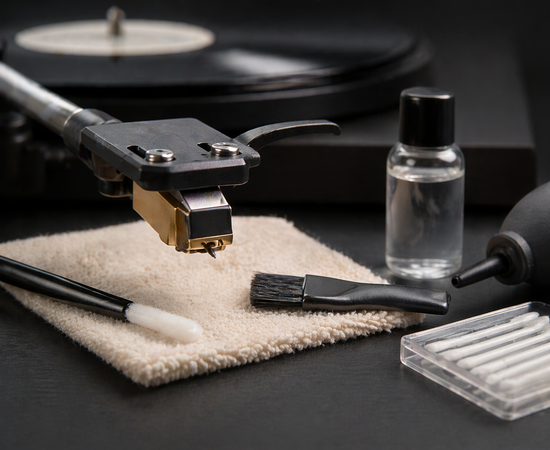
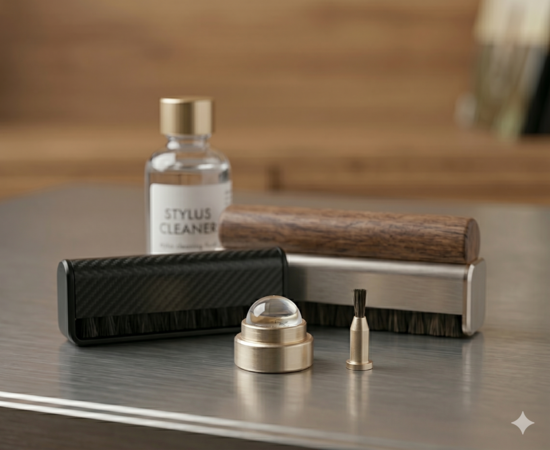
Τακτικός Καθαρισμός: Ένας σχολαστικός καθαρισμός βελόνας πριν από κάθε πλευρά δίσκου (ή έστω στο τέλος του session) είναι απαραίτητος. Χρησιμοποιείτε πάντα το ειδικό βουρτσάκι με απαλή κίνηση αυστηρά από πίσω προς τα εμπρός. Ποτέ στο πλάι!
Καθαρά Βινύλια: Η σκόνη και η βρωμιά μέσα στα αυλάκια λειτουργούν σαν γυαλόχαρτο για το διαμάντι. Ένα πλυντήριο δίσκων ή τα σωστά υγρά καθαρισμού είναι η καλύτερη επένδυση.
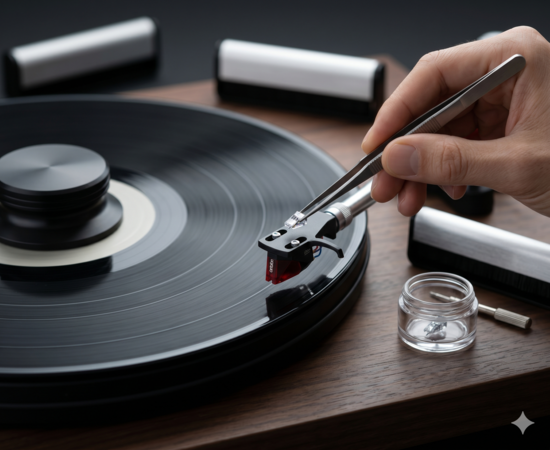
Έλεγχος Ρυθμίσεων: Βεβαιωθείτε ότι το βάρος ανάγνωσης (Tracking Force) και το Anti-skate είναι ρυθμισμένα ακριβώς στις προδιαγραφές του κατασκευαστή της κεφαλής.
Το Επόμενο Βήμα για Τέλειο Ήχο
Όπως συχνά τονίζουμε στο high-end audio, μια σωστή ρύθμιση απαιτεί και τα κατάλληλα εργαλεία. Για να διατηρήσετε τη βελόνα σας και τη δισκοθήκη σας σε άριστη κατάσταση, βρείτε τα κορυφαία αξεσουάρ καθαρισμού, βουρτσάκια και υγρά στην κατηγορία μας Vinyl & Care. (Σημείωση: Εδώ βάζεις το link της κατηγορίας).
Κάντε το τεστ σήμερα: Προσπαθήστε να θυμηθείτε πότε αγοράσατε ή πότε αλλάξατε τελευταία φορά τη βελόνα του πικάπ σας. Μήπως παρατηρείτε μια μικρή θαμπάδα στον ήχο;
Μην το ρισκάρετε με την αγαπημένη σας συλλογή. Επικοινωνήστε μαζί μας στην Element Audio! Η ομάδα μας είναι εδώ για να συζητήσουμε την κατάσταση της κεφαλής σας, να σας καθοδηγήσουμε στον σωστό έλεγχο ή να σας προτείνουμε την ιδανική αντικατάσταση/αναβάθμιση, διασφαλίζοντας ότι η αναλογική σας εμπειρία θα παραμείνει στο 100%.