
 English
Το καλάθι σας είναι άδειο! Ρίξτε μια ματιά στο φανταστικό μας εμπόρευμα!

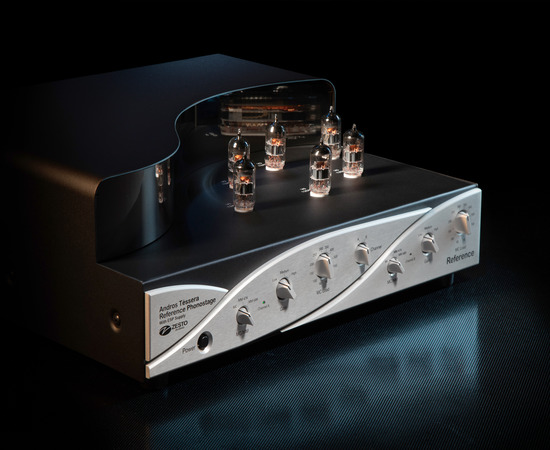
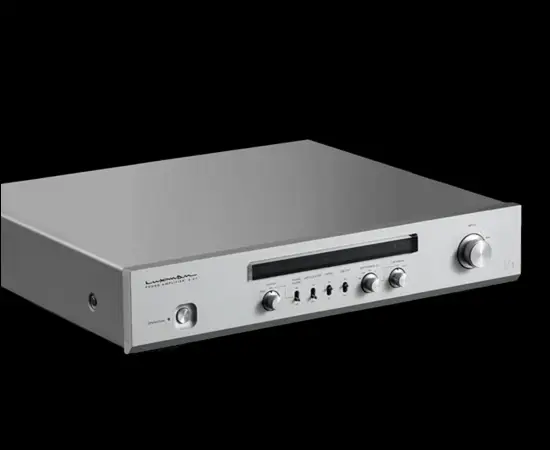
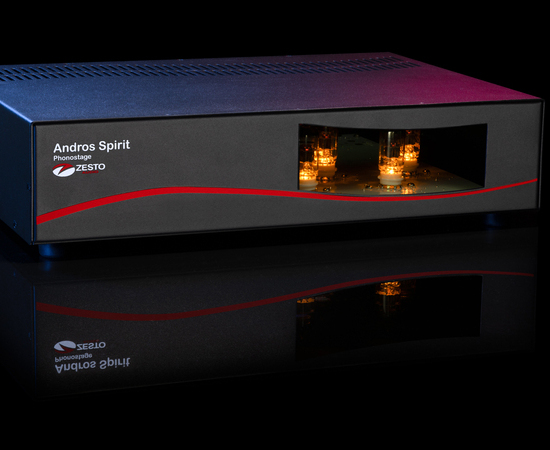
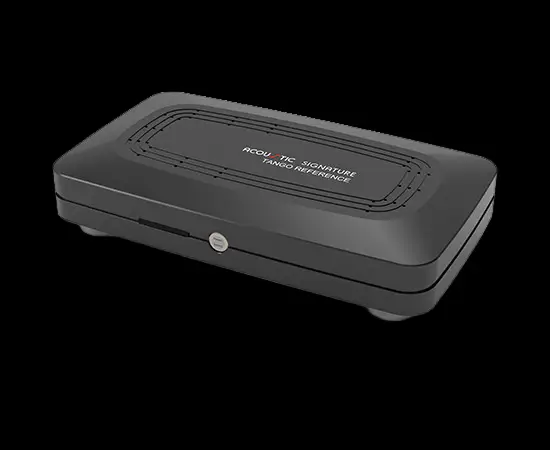
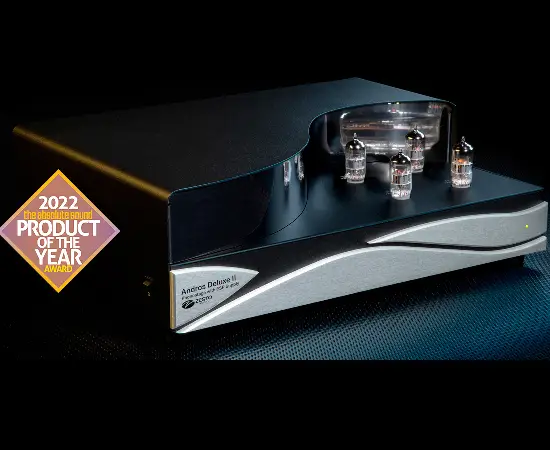
Phono Stage: Ο Αφανής Ήρωας του Αναλογικού σας Συστήματος
Έχετε επενδύσει ένα σεβαστό ποσό σε ένα εξαιρετικό πικάπ, έχετε τοποθετήσει με ευλάβεια μια κορυφαία κεφαλή και τα audiophile βινύλιά σας είναι πεντακάθαρα. Τα συνδέετε στην είσοδο "Phono" του ολοκληρωμένου σας ενισχυτή (ή σε ένα φθηνό εξωτερικό κουτάκι), κατεβάζετε τη βελόνα, αλλά ο ήχος ακούγεται... "λίγος". Επίπεδος, χωρίς δυναμικά, με στενή σκηνή και με ένα ενοχλητικό "πέπλο" θορύβου.
Τι φταίει; Η απάντηση κρύβεται στον πιο σημαντικό, αλλά δυστυχώς συχνά παραμελημένο κρίκο της αναλογικής αλυσίδας: το Phono Stage.
Τι ακριβώς κάνει το Phono Stage και γιατί είναι απαραίτητο;
Το Phono Stage (ή προ-προενισχυτής πικάπ) αναλαμβάνει τις δύο πιο κρίσιμες, ευαίσθητες και τεχνικά δύσκολες δουλειές σε ολόκληρο το ηχοσύστημά σας:
1. Τεράστια Ενίσχυση Σήματος (Gain): Σε αντίθεση με ένα CD player ή ένα Streamer που βγάζει ένα ισχυρό, "έτοιμο" σήμα γραμμής (Line Level) περίπου 2 Volts, η βελόνα του πικάπ παράγει ένα μικροσκοπικό ρεύμα. Μια τυπική κεφαλή Κινητού Μαγνήτη (MM) βγάζει μόλις 4-5 χιλιοστά του Volt (mV), ενώ μια High-End κεφαλή Κινητού Πηνίου (MC) βγάζει λιγότερο από 0.5 mV! Το Phono Stage πρέπει να μεγεθύνει αυτό το απειροελάχιστο σήμα έως και 1000 φορές (από 40dB έως 70dB+), χωρίς να προσθέσει τον παραμικρό θόρυβο. Τα απλά, ενσωματωμένα phono των ενισχυτών απλώς δεν έχουν την ποιότητα εξαρτημάτων για να το κάνουν αυτό σωστά.
2. Η Αποκωδικοποίηση (Καμπύλη RIAA): Αυτό είναι το μεγάλο μυστικό του βινυλίου. Για να χωρέσει η μουσική στα αυλάκια του δίσκου χωρίς να πετάγεται η βελόνα έξω από τις χαμηλές συχνότητες, οι δίσκοι χαράσσονται στο εργοστάσιο με δραματικά μειωμένο μπάσο και υπερβολικά τονισμένα πρίμα.
«Το Phono Stage λειτουργεί ως ο απόλυτος "αποκωδικοποιητής". Εφαρμόζει την αντίστροφη Καμπύλη RIAA, αποκαθιστώντας τη φυσική ισορροπία της μουσικής με μαθηματική ακρίβεια.»
Ένα φθηνό κύκλωμα RIAA, με υλικά μεγάλων ανοχών, καταστρέφει εντελώς την τονική ακρίβεια της ηχογράφησης, κάνοντας τα όργανα να ακούγονται "άδεια" ή σκληρά.
Γιατί ένα Εξωτερικό, High-End Phono Stage είναι Μονόδρομος;
Απόλυτη Ησυχία & Διαχωρισμός: Το εξαιρετικά ευαίσθητο σήμα του πικάπ είναι μαγνήτης για ηλεκτρομαγνητικές παρεμβολές (EMI/RFI). Ένα ανεξάρτητο Phono Stage έχει το δικό του, θωρακισμένο σασί και —συχνά— εξωτερικό τροφοδοτικό. Κρατώντας το ρεύμα μακριά από τα κυκλώματα ήχου, ρίχνει το κατώφλι θορύβου (noise floor) στο μηδέν, εξαφανίζοντας το hiss και το hum.
Οδήγηση Κεφαλών MC & Μικρορυθμίσεις: Αν θέλετε να μπείτε στον μαγικό κόσμο των κεφαλών κινητού πηνίου (MC) που προσφέρουν κορυφαία ανάλυση, ένα ανεξάρτητο phono stage είναι απαραίτητο. Σας επιτρέπει να ρυθμίσετε με ακρίβεια την αντίσταση (Loading), τη χωρητικότητα (Capacitance) και το κέρδος, ώστε να "ταιριάξετε" ηλεκτρικά την κεφαλή με το σύστημα, ξεκλειδώνοντας κάθε μικρο-λεπτομέρεια.
Η Απόλυτη Αναλογική Εμπειρία: Η Μαγεία της Λυχνίας
Όταν η κορυφαία αναλογική πηγή συναντά τις λυχνίες (tubes) στο στάδιο του phono, το αποτέλεσμα είναι συγκλονιστικό. Κορυφαίες υλοποιήσεις, όπως τα θρυλικά λαμπάτα Phono Stages της Zesto Audio, απογειώνουν τον αναλογικό ήχο. Προσφέρουν ένα απόλυτα μαύρο φόντο, τεράστια τρισδιάστατη σκηνή, "υγρές" μεσαίες συχνότητες και μια ανατριχιαστική αληθοφάνεια στις φωνές.
Το Συμπέρασμα: Μην Πνίγετε την Πηγή Σας
Μην αφήνετε την ακριβή σας κεφαλή να "ασφυκτιά" σε ένα μέτριο κύκλωμα. Η επένδυση σε ένα κορυφαίο, ανεξάρτητο Phono Stage δεν είναι απλώς μια ακόμα αναβάθμιση. Είναι ο μοναδικός τρόπος να ακούσετε πραγματικά τι υπάρχει χαραγμένο μέσα στα βινύλιά σας. Στην Element Audio, σας περιμένουν κορυφαία Phono Stages για να απογειώσετε το αναλογικό σας σύστημα!